Shadows & Shoji: Architectural Poetics in Rural Kyoto
Leaving the crowded geisha districts of Gion behind to discover ancient cedar pavilions nestled in the forested valleys of Ohara and Kitayama.
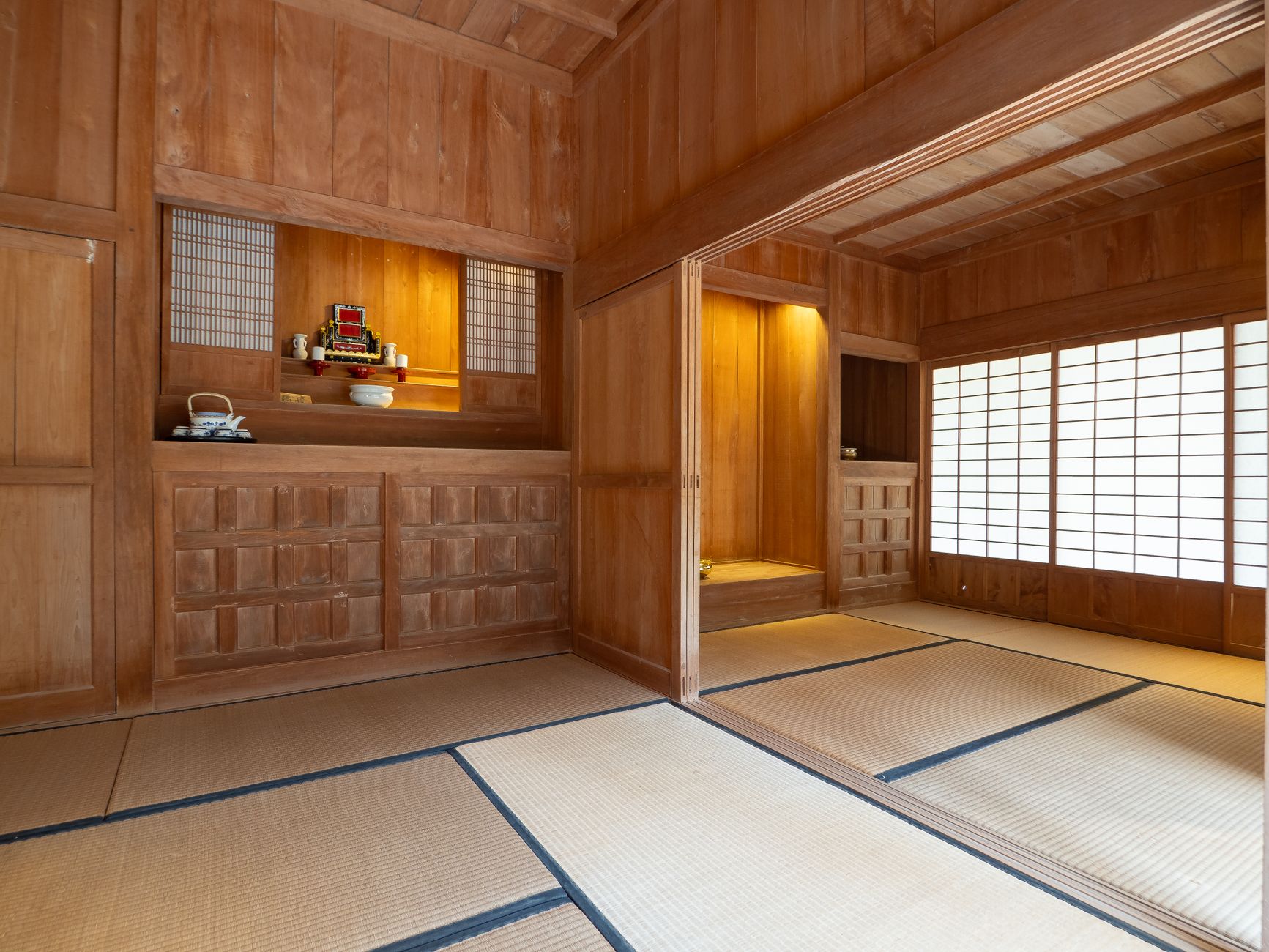
Light diffused through washi paper screens in a centuries-old pavilion. Photo by 111111.
1. The Power of Subdued Illumination
In his seminal 1933 essay In Praise of Shadows, Jun'ichiro Tanizaki warned against the blinding glare of modern electric convenience, celebrating instead the subtle graduation of darkness that gives lacquerware, gold leaf, and cedar beams their deep emotional resonance.
When sitting on tatami in a 400-year-old temple garden in northern Kyoto during an autumn drizzle, one realizes how paper shoji screens transform harsh sunlight into a serene, ambient milky glow that calms the central nervous system.
“We find beauty not in the thing itself but in the patterns of shadows, the light and the darkness, that one thing against another creates.”
2. Miyadaiku: Joinery Without Metal
The endurance of Kyoto's traditional wooden structures is grounded in the craft of miyadaiku—temple carpenters who work without nails, screws, or synthetic adhesives. Using interlocking mortise-and-tenon joints, these master builders account for wood shrinkage, humidity shifts, and seismic tremors over centuries.
A visit to an active woodworking workshop in the Kitayama cedar forests provides an indelible masterclass in respect for materials. Every log is felled with gratitude, seasoned naturally for years, and hand-planed until its grain shines with the luster of silk.
3. The Ritualized Tea Measure
In the tea pavilions of Uji, hospitality is distilled into chado: the way of tea. Here, guest and host share a single room stripped of all status symbols. The low entrance forces everyone to bow their head upon entering, erasing worldly hierarchies in favor of mutual reverence.
Custom Cultural Journeys in Japan
Connect with certified temple historians, private ryokan keepers, and traditional craftsmen through 111111 advisory.
Inquire for Details